
Why Comfort Matters More Than Square Footage in a Custom Home
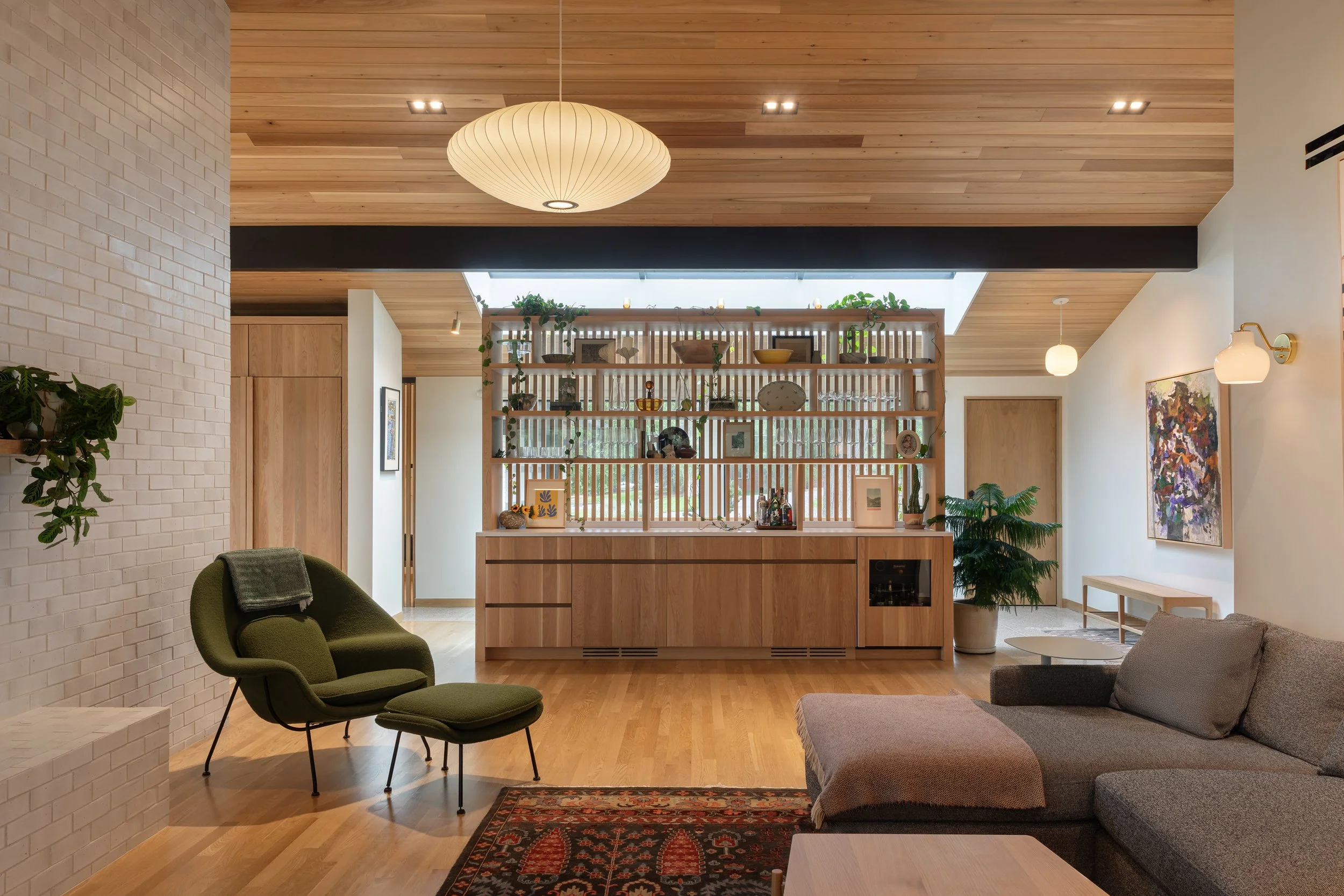
When homeowners begin planning a custom home, the conversation almost always starts with size.
How many square feet?
How large should the kitchen feel?
Is it bigger than the last house?
Square footage has become the default measure of success in residential construction. It is easy to calculate, easy to compare, and easy to see on a set of plans. In many markets, value is still tied closely to size. Bigger feels measurable. It feels safe.
But after years of building custom homes, especially in Colorado’s mountain and foothill environments, we’ve seen something different.
The homes clients love most are not always the largest ones. They are the ones that feel steady in the winter, balanced in the summer, quiet at night, and comfortable without constant adjustment.
This is where the discussion of home comfort vs square footage becomes more meaningful. A larger home does not automatically live better. Comfort, when planned intentionally, has a far greater impact on daily life and long-term satisfaction than raw size ever will.
Comfort is not something added at the end. It is shaped early and built into the structure of the home itself.
Why Square Footage Became the Default
It makes sense that square footage became the standard. Size is one of the easiest variables to measure. It creates a simple benchmark that buyers, sellers, lenders, and builders can all understand quickly.
Listings highlight it. Appraisals rely on it. Comparisons often begin and end with that single number.
The issue is not that square footage is irrelevant. It tells only part of the story.
Two homes with identical square footage can feel completely different to live in. One feels balanced and predictable. The other struggles with drafts, uneven temperatures, or rooms that never quite feel comfortable during seasonal swings.
In mountain climates, those differences become more pronounced. Winter heating loads, summer sun exposure, elevation changes, and daily temperature swings all amplify small performance gaps.
Square footage is easy to explain. Comfort is harder to quantify, but it is what homeowners experience every day.
What Comfort Actually Means
Comfort in custom homes is often misunderstood. It is sometimes treated as an upgrade when in reality, it is the outcome of coordinated decisions.
Thermal comfort is usually the first thing people notice. Temperatures remain consistent from room to room and floor to floor. You are not adjusting the thermostat constantly or avoiding certain spaces during parts of the year.
Air quality and ventilation matter just as much. Fresh air, proper filtration, and controlled humidity shape how a home feels in subtle but important ways. In higher elevations or dry winter climates, this becomes especially noticeable.
Acoustics also contribute. A comfortable home manages sound well. Exterior noise is reduced. Interior spaces feel calm. Mechanical systems do not dominate the background.
Natural light and livability tie everything together. Comfortable homes feel usable throughout the day. Rooms respond well to changing light conditions rather than fighting them.
High-performance home comfort is not about one feature. It is about how the building envelope, mechanical systems, and layout work together within the realities of the site and climate.
Why Bigger Does Not Guarantee Better
There is a common assumption that more space equals more comfort. In practice, larger homes often expose performance weaknesses more clearly.
As homes grow, temperature inconsistencies become easier to notice. Long distances between rooms complicate heating and cooling. Upper levels may overheat while lower levels remain cool. Rooms at the perimeter of the structure feel slightly disconnected.
Energy use also increases with size. Larger volumes of space require more heating and cooling. If the home is not designed carefully, operating costs rise without improving the living experience.
We often see that poor coordination early in design shows up later in larger homes. Minor oversights are amplified by scale.
Building a comfortable home is not about maximizing square footage. It is about aligning layout, systems, and climate from the start.
Comfort Is Built Into Performance
Many homeowners assume comfort can be improved later through finishes. Better flooring. Higher-end windows. Smart controls.
While those choices can enhance a space, they cannot correct underlying performance issues.
True comfort begins with the building envelope. Proper insulation, air sealing, and moisture management create a stable interior environment. In mountain environments, where seasonal extremes are common, this foundation matters even more.
Mechanical systems must also be designed and sized specifically for the home and its conditions. Oversized systems cycle inefficiently. Undersized systems struggle to maintain consistency. Either scenario leads to frustration over time.
When performance fundamentals are handled correctly, comfort becomes predictable. The home responds consistently in January and in July. That reliability is what homeowners remember.
Home performance and comfort are established long before finishes are selected.
Planning Determines Comfort
Comfort decisions happen early, whether intentionally or not.
Once framing is complete and systems are installed, options narrow quickly. Late changes often involve compromise or added cost, and they rarely deliver the same impact as early coordination.
In our experience, the projects that feel the most comfortable over time are the ones where performance goals were discussed at the beginning. Architecture, mechanical design, and construction details were aligned rather than adjusted later.
This is where custom home design priorities become clearer. Instead of asking how large a room can be, the better question is how that room will perform through seasonal shifts and daily use.
Planning for comfort reduces trade-offs. It prevents small decisions from compounding into larger frustrations. It protects both livability and long-term value.
Choosing What Matters Most
Square footage is visible on paper. Comfort is felt every day.
Over time, comfort shapes the ownership experience in ways that size cannot. Energy use becomes more predictable. Seasonal transitions feel manageable. The home feels reliable rather than temperamental.
Homes designed with performance in mind adapt better to changing needs and age more gracefully. They are easier to maintain and easier to live in.
When clients look back years later, comfort is rarely the thing they wish they had reduced. More often, they wish they had understood its importance sooner.
At Build3, we approach every custom home with this perspective in mind. Comfort is not an upgrade. It is a baseline. When performance, layout, and site conditions are aligned early, the result is a home that lives well for decades.
Square footage may draw attention at first. Comfort is what stays with you long after you move in.
If you are early in planning and weighing size against performance, those conversations are most valuable before design decisions are finalized. Thoughtful planning creates homes that not only look impressive on paper, but feel right every day you live in them.