
Planning a Custom Home: The First 5 Steps Every Homeowner Should Know
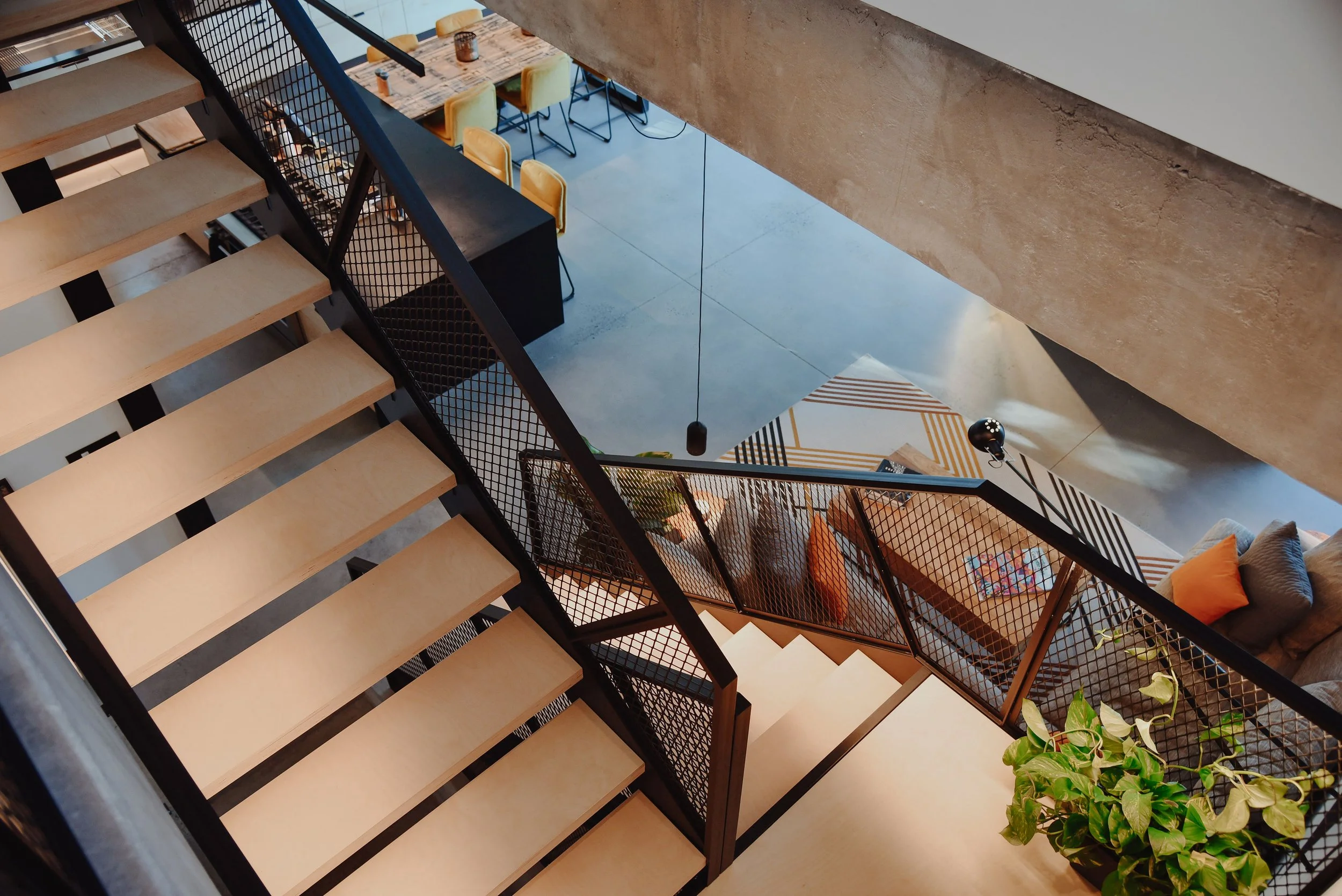
Planning a custom home usually starts with ideas.
People look at floor plans, collect photos, or start imagining how the house might look on the land. Those conversations are part of the process, but they are rarely the best place to begin.
The most successful custom homes usually start with a few practical questions. What does the land allow? What kind of structure makes sense for the site? What budget range is realistic for the type of home you want to build?
Those questions shape the entire project.
In mountain regions, especially, early planning has a big impact on how smoothly a project unfolds. Terrain, snow loads, access limitations, and local permitting requirements can shape structural decisions long before construction begins.
If you are considering a custom home, these early steps can help set the project on the right track.
The First Steps When Planning a Custom Home
For homeowners beginning the process, the early steps usually include:
Start with the land
Discuss realistic budget expectations
Assemble the right design and construction team
Evaluate design ideas alongside real construction conditions
Prepare the project carefully before construction begins
Why Early Planning Matters
Many of the problems people associate with construction actually begin much earlier.
A design may advance before anyone has studied the site in detail. Budget expectations might be based on rough assumptions. Structural questions may not surface until drawings are already well developed.
When those issues appear late, the project often has to adjust quickly. That can mean redesign work, changes to scope, or difficult decisions under pressure.
Taking time early to evaluate the site, budget, and team structure tends to make the rest of the process more predictable.
For homes in the mountains or foothills, this early groundwork becomes even more important. Terrain, snow loads, and local permitting requirements can shape the structure of the home long before construction starts.
Builders who specialize in mountain construction often help guide this early phase. At Build3, much of our work focuses on helping homeowners and architects evaluate site conditions, construction strategy, and realistic budget expectations before a project moves too far into design.
Step 1: Start With the Land
The site should guide the design.
Slope, soil conditions, drainage, and access all influence how a home can be built. In mountain areas, these factors can change dramatically from one lot to the next.
Before design work begins in earnest, it helps to understand:
How steep the terrain is
Where construction access will come from
How water moves across the property
Where the best solar exposure sits on the lot
Those factors often influence structural systems, foundation strategies, and even how the home is positioned on the site.
When the land is studied first, the design can respond to the site naturally instead of fighting against it later.
Step 2: Talk About Budget Early
Budget discussions can feel uncomfortable early in a project, but they are one of the most helpful conversations to have.
Custom homes vary widely in cost. Size, materials, structural complexity, and site conditions all play a role. Mountain builds can add additional considerations such as excavation difficulty, structural requirements, and limited access for equipment.
Talking about budget early does not restrict design ideas. It gives the design process useful boundaries.
When architects and builders understand the financial parameters of a project, they can help guide decisions about materials, systems, and scope. That keeps the design process productive and avoids large surprises later.
Step 3: Build the Right Team
A custom home is a team effort.
Most projects involve the homeowner, an architect or residential designer, a builder, and a handful of consultants such as engineers or surveyors.
Each person brings a different kind of expertise. Architects shape the design and the spatial experience of the home. Builders contribute insight about construction logistics, materials, and sequencing.
Many projects benefit when the builder joins the conversation earlier rather than later. That allows practical construction questions to be addressed while design ideas are still flexible.
Architects generally appreciate this collaboration as well. It helps protect the design while making sure the home can be built efficiently.
Step 4: Keep Design and Construction Realities Connected
As design ideas develop, the scope of a project can grow.
Homeowners might explore additional spaces, architectural features, or custom details. That exploration is a natural part of designing a custom home.
The important part is checking those ideas against the practical side of construction.
Structural requirements, permitting considerations, and the physical conditions of the site all influence what makes sense to build. Looking at these factors together helps the team refine the design before construction begins.
This is where a structured pre-construction planning phase often becomes valuable. It allows the team to study the project carefully before the work in the field starts.
Step 5: Prepare the Project Before Construction Begins
Many projects in Colorado’s mountain communities begin with a planning phase like this. Build3 often works with homeowners and architects during this stage to review feasibility, construction sequencing, and site-specific challenges before construction begins.
Before breaking ground, the project should be reviewed as a whole.
At this stage, the team typically looks at structural strategy, construction sequencing, and how the design fits within the agreed budget. It is also the time to make sure the project is ready for permitting and scheduling.
Taking this step seriously helps reduce surprises once construction starts. It gives everyone involved a shared understanding of what the build will require.
For homeowners, that preparation makes the construction phase much easier to navigate.
A Note About Mountain Projects
Building in mountain communities adds a few layers of complexity that are worth considering early.
Terrain can affect excavation and foundation design. Snow loads influence structural systems. Access roads may shape how materials and equipment reach the site.
Local jurisdictions may also have design review processes or permitting requirements that influence the schedule.
None of these factors is an obstacle. They simply mean that thoughtful planning early in the project pays off later.
Final Thoughts
A well-planned custom home rarely happens by accident.
The most successful projects usually begin with a careful look at the land, a realistic conversation about budget, and a team that works together from the beginning.
When those pieces are in place, the design process becomes more productive, and the construction phase tends to run more smoothly.
For homeowners thinking about building in Colorado’s mountain communities, spending time on these early steps is often one of the best investments they can make in the success of the project.
If you are evaluating land, beginning design work, or simply exploring the idea of building, the team at Build3 can help you assess your project and determine the right next steps.
Start a conversation to learn how early planning can support a successful custom home project.